
Houseplant care tips, plant leaf cleaning, indoor plant health, dusty plant leaves
Okay, plant parents. We need to talk. That layer of dust sitting on your fiddle leaf fig’s leaves? It’s not “texture.” It’s not “character.” It’s your plant slowly suffocating while you post it on Instagram like everything’s fine.
Let’s fix that.
Why Wiping Your Plant Leaves Actually Matters
🌿 Dust blocks photosynthesis (aka your plant’s entire food source). Plants “eat” through their leaves by absorbing light. A thick coat of dust is like trying to eat dinner through a pillowcase. Technically possible. Extremely inefficient.
🌿 Clean leaves breathe better. Those tiny pores on your plant’s leaves (called stomata, for the plant nerds in the back) need to stay open to exchange air and release moisture. Dust clogs them up. Your plant is basically trying to breathe through a dirty gym sock.
🌿 It’s pest prevention, not just a chore. Dusty, grimy leaves are a five-star resort for spider mites, mealybugs, and other tiny freeloaders. Wiping leaves regularly means you’ll actually see pests before they throw a full-blown party on your monstera.
🌿 You’ll catch problems early. Yellowing, spots, weird texture — you can’t spot any of it under a layer of dust. A clean leaf is basically a diagnostic tool. Wipe first, worry second.
🌿 It makes your plants look unreasonably good. This is the shallow reason and it’s still valid. Shiny, dust-free leaves photograph better, look healthier, and make your whole space feel more alive. (Yes, even I — a photographer who looks at things for a living — notice dusty plants in the background of photos. It’s a whole mood, and not the good kind.)
How to Actually Do It (No, a Feather Duster Doesn’t Count)
- Small plants: A soft, damp cloth. Wipe each leaf top and underneath, gently, like you’re not trying to traumatize it.
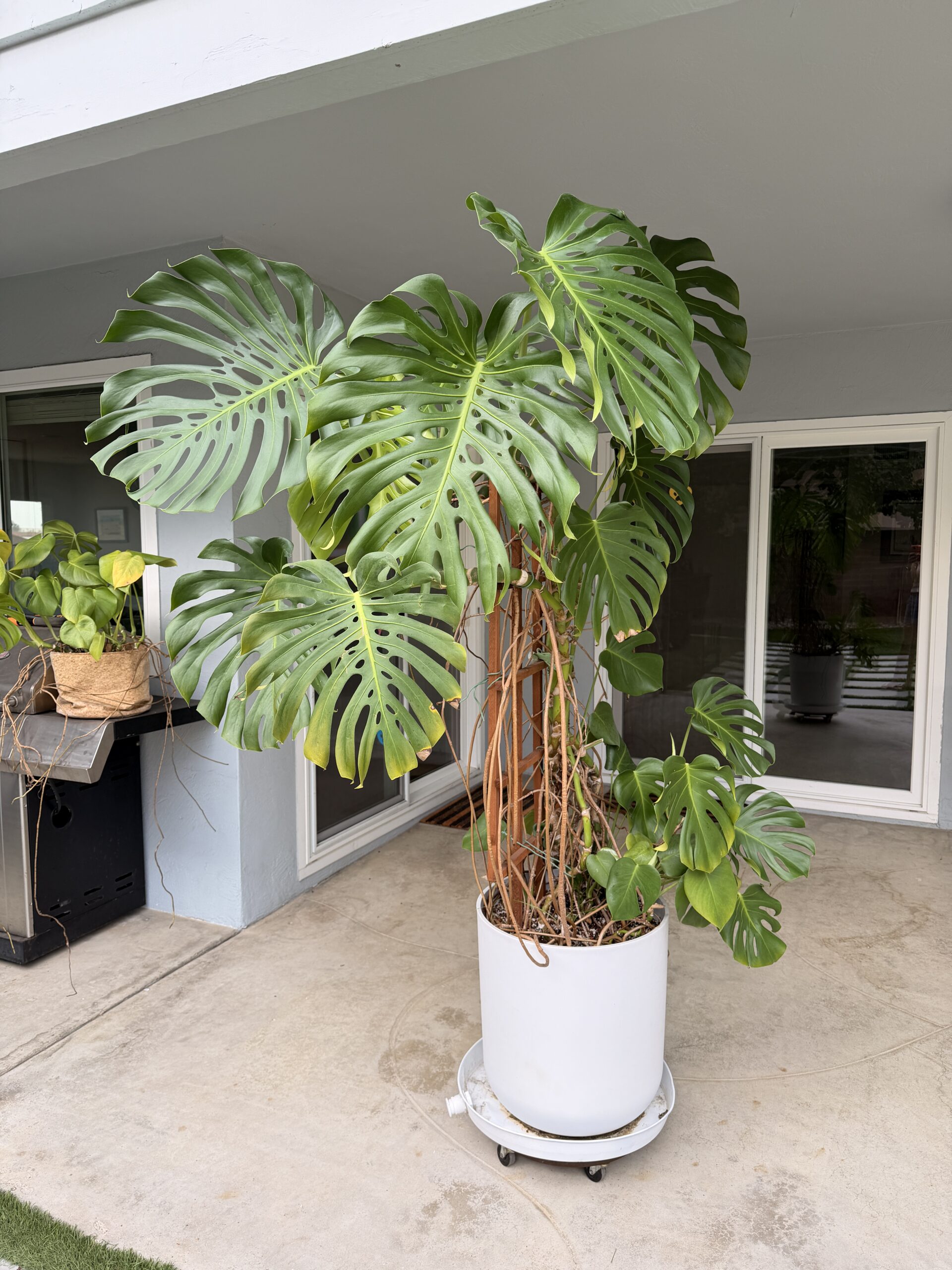
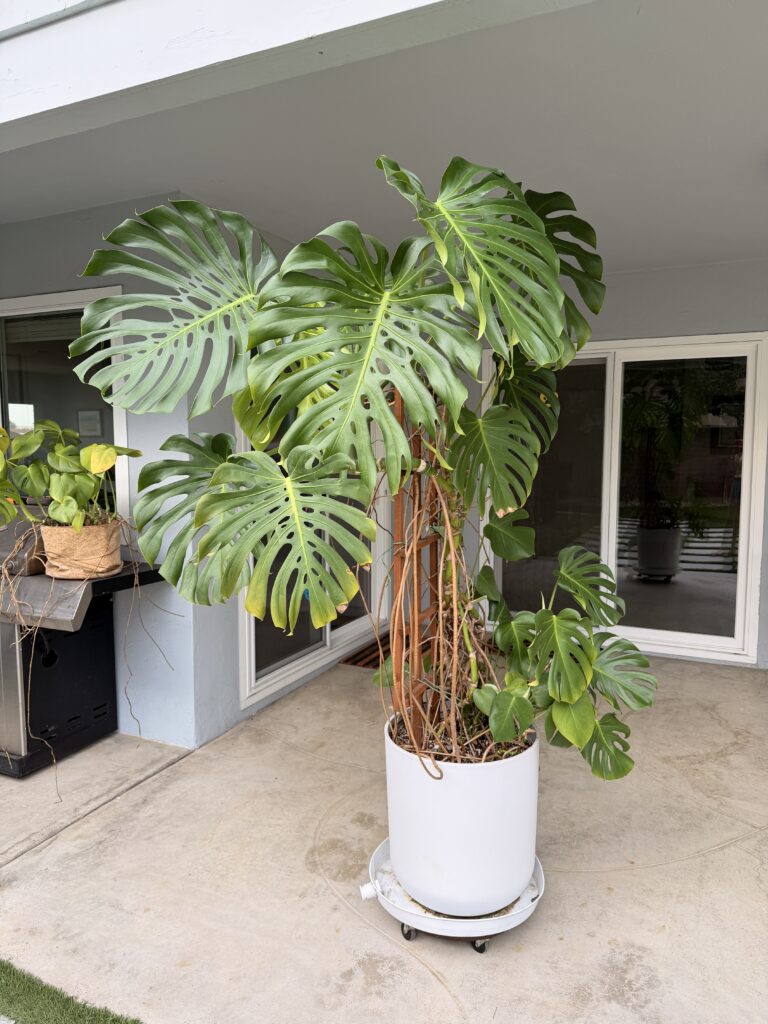
- Big-leafed plants (monstera, fiddle leaf fig, rubber plant): Same damp cloth method, but set aside a few extra minutes — put on a podcast and make it a little ritual instead of a rushed chore. It’s basically self-care with a side of chlorophyll.
- Fuzzy or textured leaves (African violets, etc.): Skip the cloth — use a soft, dry brush instead so you don’t bruise the leaf.
- Tons of small-leafed plants: A gentle rinse in the shower or sink works great. Lukewarm water only, please.
Pro tip: Do this once every 2–4 weeks. Your plant will thank you by growing better, staying healthier, and not hosting bugs.
My go-to: I’m a little obsessed with Happy Happy Houseplant — follow them, they’re hilarious and their plant knowledge is unmatched. Their Neem Oil Starter Kit (Leaf Cleanse) comes with microfiber gloves and dish cloths so you’re not just wiping leaves with your sleeve like an animal. It lifts dust, grime, and pests in one swipe — genuinely makes this whole process way less annoying.
The Bottom Line
Wiping your plant’s leaves isn’t fussy or extra — it’s basic plant hygiene that directly impacts how well your plant eats, breathes, and survives your questionable watering schedule. Five minutes with a damp cloth now saves you a much bigger, sadder problem later.
So go forth. Wipe those leaves. Your plant has been waiting.


