

When you open your email inbox and that exciting top email is sitting there, with a brand new client wanting to book a session, opening that email is the first step of many in a photographers’ workflow.
For most photographers starting out, it’s easy to focus the majority of the attention on actually capturing images of families: that’s the fun part! The longer I’ve been in business, I’ve learned that the experience from booking to client gallery delivery is just as important.
Work flow can include many steps like answering emails, the actual booking process, helping with outfits, scouting locations, communicating with the family, doing the actual photography part, culling and editing images, and finally: delivering the gallery.
As a photography mentor, I often talk about this workflow because it does two important things. It streamlines the process for your clients, and it helps to keep you organized the entire time and knowing what comes next.
Hi! I’m Christine Dammann, a San Diego family photographer and photography mentor. I capture families with an emphasis on connection, play, and keeping the experience relaxed.
I also offer online and in-person mentoring for photographers who want help with shooting, editing, client experience, communication, marketing, and the business side of photography.

The First Inquiry: Making a Great First Impression
Although it might make sense that client experience starts when you meet in person and shake hands, it actually begins long before that: it starts with the inquiry.
When someone reaches out, they’re usually trying to figure out a few basic things. They may want to check availability and cost, or wonder what happens after booking. They’d usually also like to know if the photographer is someone that would work well with their family.
Having a clear response to these questions makes everything easier right off the bat.
This doesn’t mean that I need to send a novel of answers. They just need the information that helps them make the next decision.
Creating a streamlined inquiry process is something I encourage new photographers to dive into when I work alongside them as a photography mentor. Go through the process as though you are the client. Is it easy to figure out what the next move is, or do you need to scroll back through countless emails for answers?
Simplicity always wins here.
How I Guide Clients Through the Booking Process
Good client experience is always a number one priority. I always want the booking process to feel easy and straightforward.
My clients select their date, complete the booking information, and secure the date with a $200 non refundable deposit. The remaining balance is due one week before the session.
Structure is important because this way, everyone involved knows what’s happening, and what happens next.
Your workflow doesn’t need to be overly complicated. Keep it simple so you aren’t creating more work for yourself. I make sure the client has officially booked, paid the deposit, provided the information I need, and knows what happens next. Once I’ve checked those boxes, I’m ready to move on to the next step.
When you look at emailing, filling forms, and payment tasks as connected pieces of the client experience, it makes the whole process feel much more streamlined. As a photography mentor, this is one of the first things I recommend.
Finding the right Photography Mentor can make it a whole lot easier to work through the questions that come with growing a photography business. If you’re curious about how I teach and what we can work on together, read more about my approach to photography education and mentorship.
My Pre-Session Communication and Preparation Workflow
Much of the work that happens during this step is created to help the session feel easier.
After booking and paying the deposit, I send my clients a comprehensive style guide, along with a shopping tool. I aim to take much of the guesswork out of coordinating outfits for an entire family, as I know this can often feel overwhelming.
Pre-session, I also communicate information to help clients understand what they can expect during their photo shoot. I send a prep guide with outfit tips and information about how the session will flow. I also like to remind families that there’s no pressure for everything to be perfect.
When the clients are clear on understanding that there is no need to perform for me, it creates a level of trust, and that matters with families. Kids might need a minute. Someone might be nervous. A toddler might decide the plan is ridiculous and create an entirely new one. That’s okay.
Doing preparation work gives me room to work with real families, instead of being thrown off last minute or putting everyone through an imaginary perfect session.
This is such a great area of your workflow to go through with a photography mentor. Sometimes a few changes to what you send and when you send it can make the whole process easier to manage.

Tips from a Photography Mentor: What Happens on Session Day
I always centre my photography sessions around connection, movement, and play.
Nobody wants to go to a photo shoot that involves standing still for an hour and slowly losing interest. I strive to capture joy, silliness, and feeling.
During my sessions, I consistently connect with my clients. I talk, I joke with the kids, and ask questions. If a child wants to talk about dinosaurs, I listen. If a toddler wants to show me a cool rock, I bend down and look.
Making the effort to forge these connections helps me to figure out the family I’m capturing.
Throughout the session, I use movement and interaction to keep things moving. Prompts like walking, spinning, tickling and playing all create genuine feeling in pictures. I talk through the session so my clients aren’t standing there wondering what they’re supposed to do with their hands.
If something just isn’t working, then I change it. We can move to another spot, take a quick break, or try something different. Not every family will respond to the same prompts in the exact same way.
With this layout, the workflow gives me structure, but the family determines what happens inside of that structure.
How I Cull, Edit, and Organize Images Efficiently
Once the fun part of interacting with the family and taking the photos is over, I now have to turn all of the pictures into a final and finished gallery for the client.
Culling and editing can become a HUGE time drain when there isn’t a repeatable process. It’s also an area where photographers can get stuck second-guessing themselves.
Do I need this image?
Wait, maybe I like the other one better.
Actually, let me compare them again.
Twenty minutes later, I’m still staring at six versions of essentially the same photograph.
Sound familiar?
Culling, editing, workflow, and time management are all topics I cover in photography mentor sessions because this part of the business has a direct effect on how much time you spend behind your computer.
Efficiency in this part of my workflow never means that I’m careless; the goal is to create a process that can be easily repeated. Moving intentionally from culling to editing and preparing the final images needs to be a smooth area of my workflow that doesn’t need to be reinvented after every session.
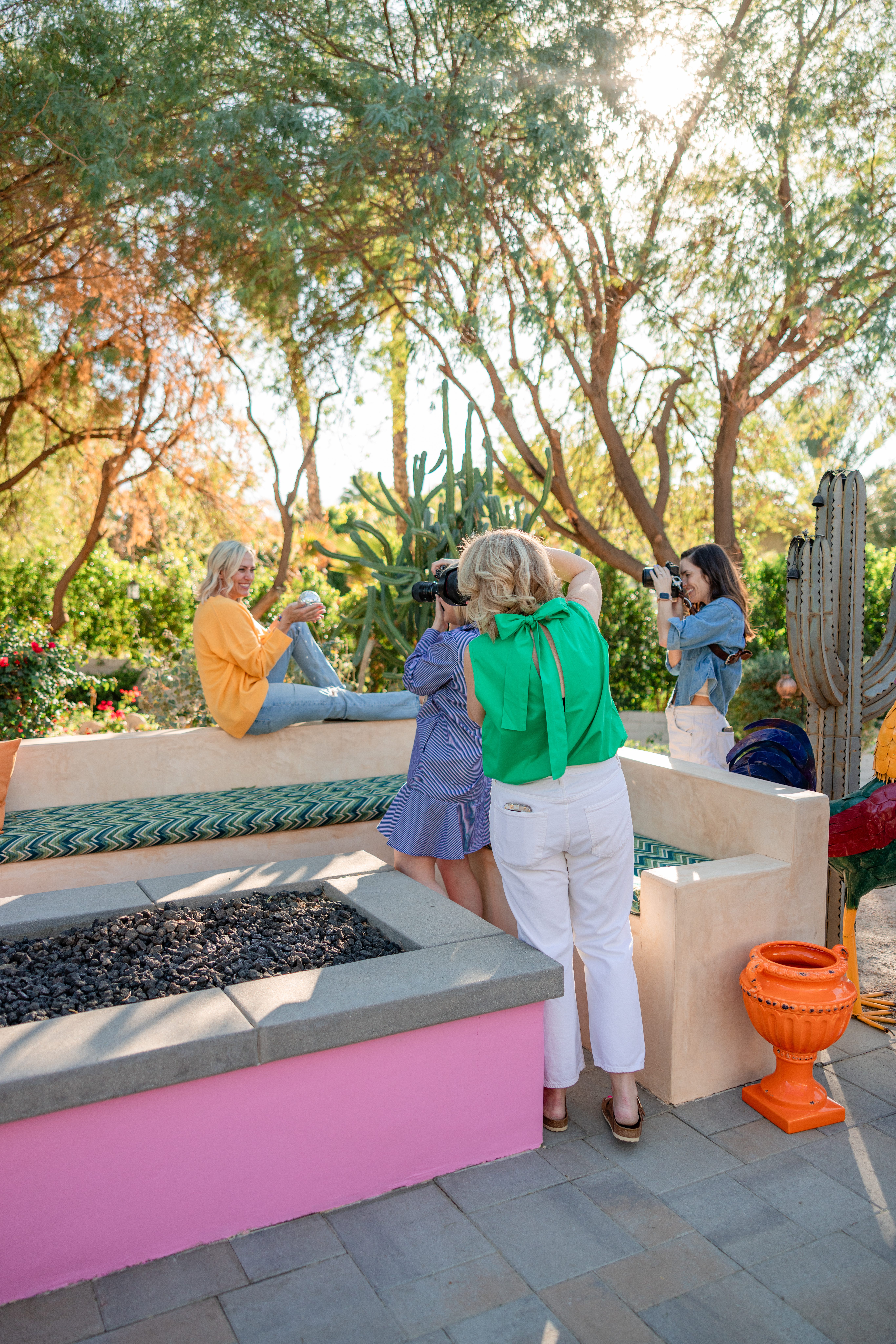
I just need to know what I’m looking for, and what step comes next. I highly recommend using Photo Mechanic. Check out the link below for more info.
Delivering the Gallery and Creating a Seamless Client Experience
Once the gallery is ready to be delivered, I always want this part of the process to feel like a streamlined part of the entire experience, not an afterthought.
I’m a big fan of Pixieset for delivering online client galleries. The photos can be viewed and downloaded in one place. Pixieset also has options for selling prints and products directly through the gallery.
It creates a clean way to present a finished product for the clients, and I use it myself for my own photography. I like to tell clients that they can expect sneak peeks as soon as possible, and their final gallery within six weeks.
If you consider this part of the process from the client’s perspective, the gallery delivery is the final step. They did the work of planning the outfits, getting everyone ready, showing up for the session, and trusting me with their family.
All of these items should feel connected to the one before. A beautiful gallery is important, but so is the path that the client took to get there. It’s another reason I talk about client experience so much as a photography mentor.
Following Up and Building Long-Term Client Relationships
Family photography is a gift to be a part of. I love capturing the families I get to see again and again.
The kids grow, families change, and new babies arrive. Somehow, the toddlers I met a few years ago have grown six feet tall, and I find myself wondering how on earth that happened.
Repeat clients love a consistent experience because it makes it easy for them to come back. They know what working with me feels like.
Knowing that I’ll help them prepare, that I’m comfortable with kids, that the session is built around movement and fun, and what to expect when their photos are finished makes rebooking an easy choice.
Want to turn a better client experience into more bookings? Getting more clients doesn’t always mean finding new people. The families you’ve already photographed can become repeat clients and referrals. Read my tips for getting more photography clients through repeat family sessions.
Why a Consistent Photography Workflow Matters
Creating a workflow can be one of the most useful tools to own. It means that you don’t need to rely on your memory for every single step of each photography session.
The busier your business becomes, the more important efficiency is.
A repeatable photography business workflow can help you keep track of:
- inquiries and bookings
- client communication
- session preparation
- payments and deadlines
- culling and editing
- gallery delivery
- follow-up
Having a clear process in front of you makes it easy to see where things are taking too long or where clients might be getting confused.
That’s one of the reasons I love working as a photography mentor. If you come into mentoring thinking that you need to change everything, sometimes it really comes down to having someone look at what you’re already doing and helping to identify where the process could be simpler.
Want Help With Your Workflow From a Photography Mentor?
Not every photography business will be run the same way. Your workflow should be unique to you and support the way that you run your business.
If you’re spending too much time answering the same questions, getting behind on editing, wondering what to send clients next, or trying to piece together a better client experience, we can work through it together.
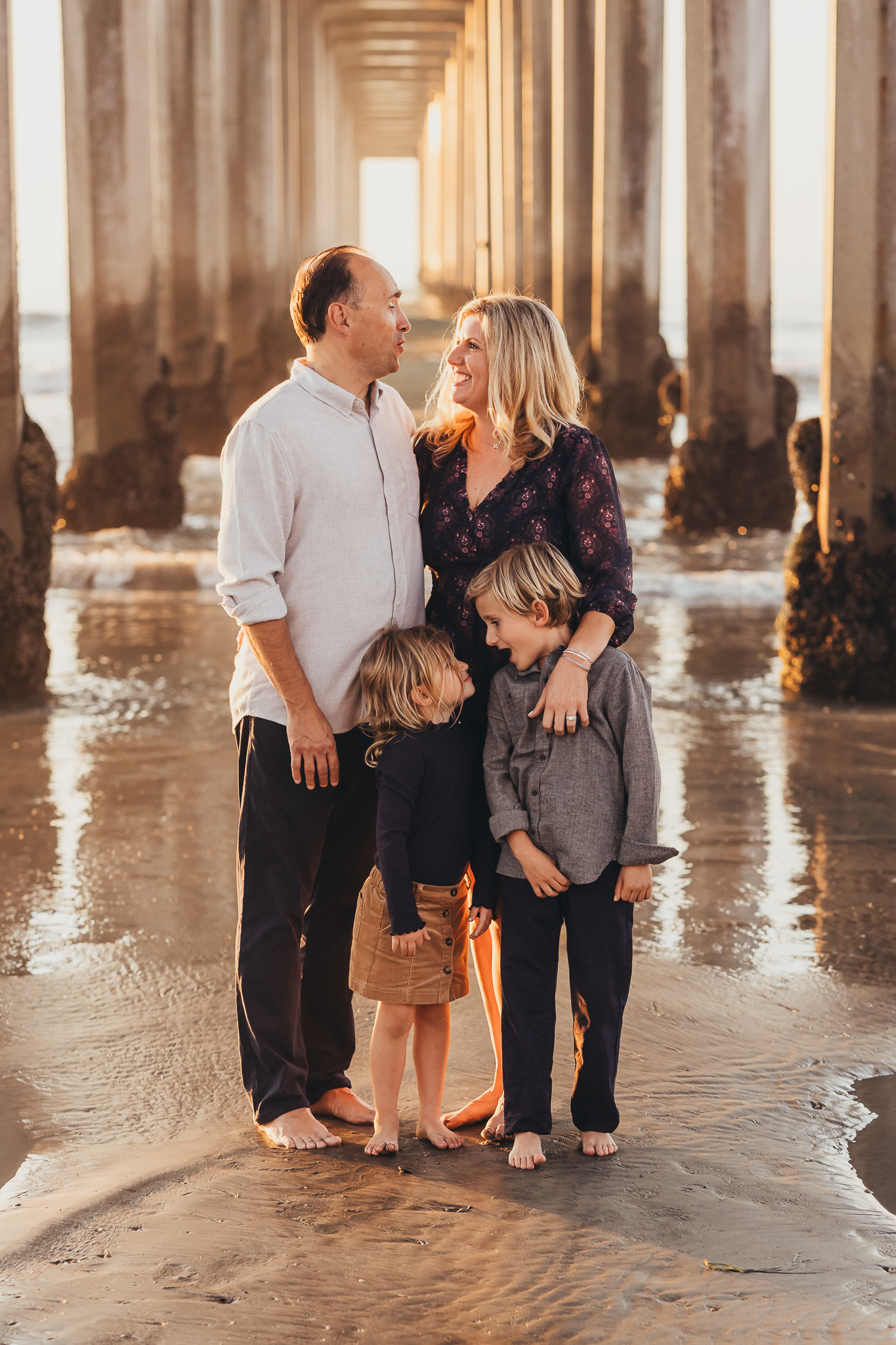
As a photography mentor, I offer both online and in-person mentoring, and sessions can be tailored to what you need help with. That might include shooting, culling and editing, client communication, workflow, marketing, portfolio feedback, or other parts of running your photography business.
The best workflow that you can give yourself is not someone else’s. It’s one that works for you and you can consistently use.
If you’re ready to work through your workflow with a photography mentor, check out my photography mentoring options and tell me what you’re working on.
I’d love to help you make the process from that first inquiry to final gallery delivery a whole lot easier to manage.
Tools I Love Lately as a Photography Mentor
- Canva makes it easy to create beautiful, on-brand designs for my business. I use it for fliers, Instagram posts, and other marketing materials, and I’m always happy with how everything turns out!
- Dubsado helps me manage everything from new leads to offboarding. I love how professional it looks for clients, and the automations save me SO much time! Get 20% off here.
- Later helps me plan and schedule my social media posts ahead of time, preview my grid, and stay consistent without figuring out what to post every day. It saves me SO much time each week!


